
Is the Fourth Amendment Officially Fiction? The Data Broker Loophole Explained
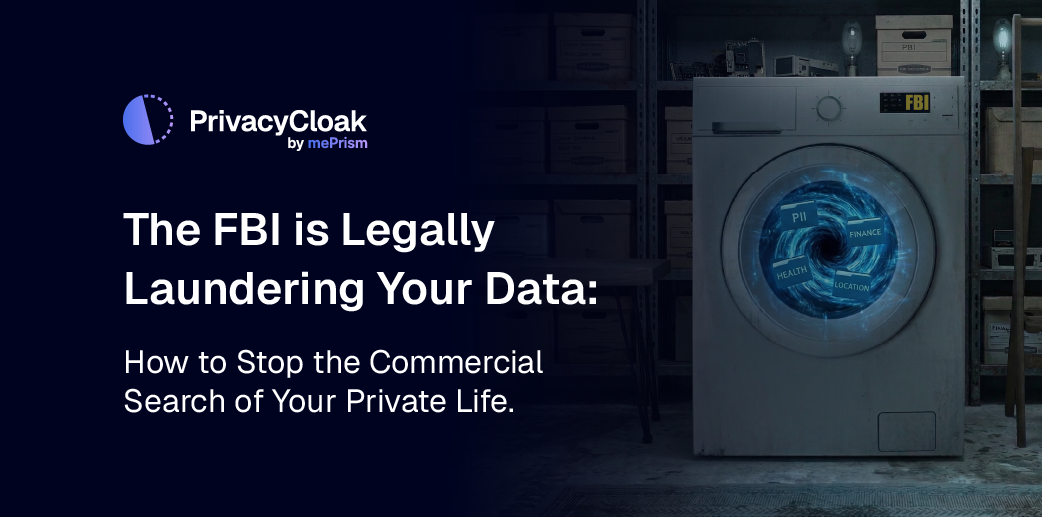
For years, federal and state agencies have quietly sidestepped the Fourth Amendment by doing something shockingly simple: instead of getting a warrant, they pull out a government credit card and buy Americans’ most sensitive personal information from data brokers.
Location histories, app-level behavior, web browsing, and detailed dossiers about health, finances, religion, and politics are all available on the open market—no judge, no probable cause, and no traditional oversight. This is not a hypothetical concern. It is now a matter of public record.
A Senate Admission: “We Do Purchase Commercially Available Information”
At a Senate Intelligence Committee hearing on March 18, 2026, FBI Director Kash Patel confirmed that the Bureau buys “commercially available information” that can be used to track Americans’ movements. Patel defended the practice as “consistent with the Constitution,” despite the fact that this data can be accessed without a warrant.
The implications are clear: the FBI is actively purchasing data that can be used to follow people in the physical world, even though the Supreme Court has already recognized that long-term location tracking is so invasive it typically requires a warrant.
The Digital Revival of “General Warrants”
The Founders wrote the Fourth Amendment to stop General Warrants—royal edicts that allowed broad, suspicionless searches of people’s “houses, papers, and effects.” At mePrism, our analysis is blunt: bulk purchases of Americans’ personal data from commercial brokers are the digital equivalent of those general warrants.
Three Pillars of the "Data Laundering" Crisis:
Pattern of Life Intelligence: Modern data brokers aggregate where people sleep, where they worship, which clinics they visit, and which protests they attend.
The "Carpenter" Precedent: Supreme Court decisions like Carpenter v. United States recognize that long-term digital location records reveal the “privacies of life” and normally require a warrant.
Washing Away the Warrant: When the government buys this data from intermediaries, it achieves the same invasive surveillance outcome while claiming the Constitution does not apply because the transaction is “commercial.”
For a deeper discussion on this tension, see our report: Is the Fourth Amendment Dead? Google Searches & Data Brokers.
A Multi-Billion-Dollar End-Run Around Civil Liberties
This is not a small loophole—it is a thriving industry. Taxpayer dollars are being used to undermine the constitutional protections taxpayers believe they have.
The $1.2 Billion Contract: A recent Department of Labor contract with LexisNexis is valued at roughly $1.2 billion for data and analytics services.
Hidden Budgets: Federal programs now budget nine-figure, multi-year lines for “identity analytics” and “commercial data” that rely heavily on brokered PII.
The Global Market: The U.S. government—federal, state, and local—functions as a major customer alongside advertisers, hedge funds, and foreign buyers.
Related Article:LexisNexis Breach: Protect Your Personal Data from Data Brokers.
National Security Risks: We Are Buying What Our Adversaries Buy
The problem is not just domestic civil liberties; it is a dual crisis. The same data brokers who sell to U.S. agencies are willing to sell to foreign governments and criminal organizations.
A West Point-affiliated study featured on our blog found that highly sensitive data on active-duty personnel and their families can be purchased for pennies per record. A hostile intelligence service does not need to hack a base when they can simply buy the home addresses of military families.
Read the Full Report:Data Brokers & National Security: The West Point Warning.
Congress Must Close the Loophole: A 3-Step Roadmap
Policy experts and civil rights advocates have already given Congress a roadmap. A serious legislative response must include:
Prohibit Warrantless Purchase: Ban law enforcement and intelligence agencies from buying location histories and sensitive PII without a warrant.
Mandate Transparency: Require agencies to disclose all contracts involving commercial data that could be used to track individuals.
Regulate the Ecosystem: Build on state efforts like California’s Delete Act to create a federal framework for data minimization and mandatory opt-outs.
To see how state law is starting to close these loopholes, see: The End of Loopholes for People-Search Data Brokers.
Taking Action While Congress Catches Up
Individuals and organizations are not powerless. mePrism’s services are designed around a simple premise: if your data is not for sale, it cannot be quietly bought by your own government or a foreign adversary.
By continuously removing personal information from hundreds of data broker sites, we reduce the surface area available for warrantless purchase. Don’t wait for the legal system to catch up to technology. Take action today to secure your digital borders.
Ready to try PrivacyCloak by mePrism?
If you're a company protecting at-risk employees, or an individual concerned about your digital footprint, start your privacy removal today at mePrism.com.
Because your data shouldn’t be a roadmap for violence.
Explore more from Our Team
Browse more posts written by our team to help you stay in control.

Be Part of the Conversation