The Digital Panopticon: How the "Data Broker Loophole" is Replacing PRISM
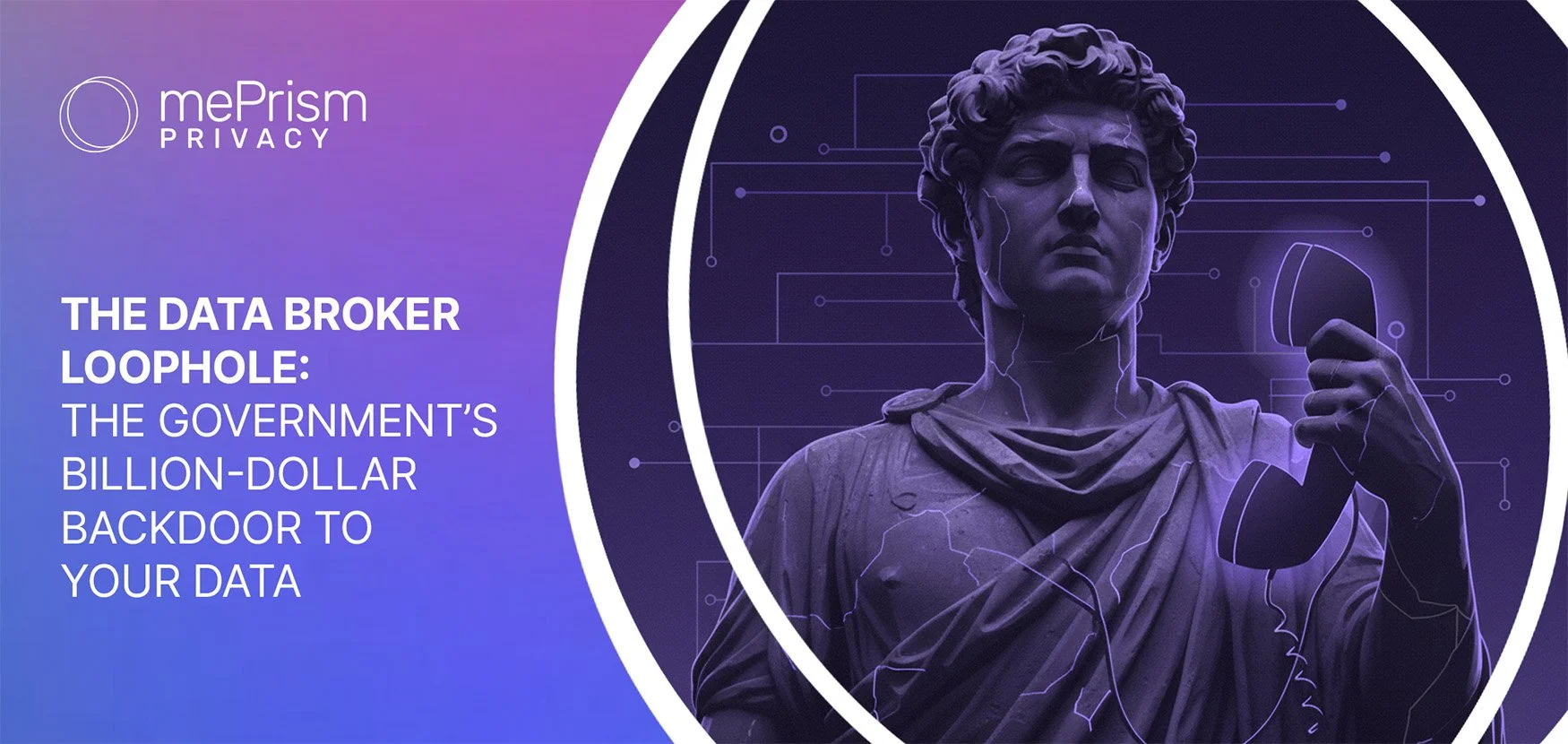
The Call is Coming from Inside the House
In 2013, the world was rocked by the revelation of PRISM, a clandestine NSA program that tapped directly into the central servers of internet giants. It felt like the ultimate violation, a "Big Brother" eye peering into our private digital lives.
Fast forward to 2026, and the surveillance landscape has shifted from secret government backdoors to a thriving, multi-billion-dollar open market. While PRISM relied on technical exploits and classified orders, today’s surveillance relies on the "Data Broker Loophole." This legal gray area allows federal agencies and private corporations to bypass traditional safeguards, like the Fourth Amendment’s warrant requirement, by simply purchasing the data they want.
What is the Data Broker Loophole?
Typically, the Fourth Amendment protects us from "unreasonable searches and seizures." This means the government needs a warrant to search your home or your phone. However, federal agencies like the FBI, DHS, ICE, and the NSA have discovered they can bypass this constitutional safeguard by simply whipping out a credit card.
Because data brokers aggregate information that is considered "commercially available," government attorneys argue that citizens have no "reasonable expectation of privacy." They claim users "consented" to share this data in complex Terms of Service agreements. This allows agencies to buy access to massive databases containing sensitive location data and internet browsing records without ever seeing a judge.
How Your Data is Harvested: The Invisible Net
Data brokers don't just wait for you to post on social media. They use a sophisticated toolkit of "invisible" harvesting techniques to map your life.
App-Based Siphoning: Brokers pay app developers to install SDKs (Software Development Kits) that silently send user data, including precise GPS location, back to the broker for analysis and resale.
Web Tracking & Cookies: Online activity is captured through cookies, web beacons, and other trackers that monitor browsing history and e-commerce behavior.
Public Data Scraping: Automated web crawlers scan public-facing sites, social media, and government databases to link anonymous activity to real-world identities.
Commercial Sources: Brokers buy data from internet service providers, car manufacturers, supermarkets, and utility companies.
Dark Web Scouring: When data breaches occur, brokers scoop up leaked records to fill gaps in their existing consumer profiles. This effectively "launders" stolen data into legitimate commercial products.
Corporate Use and Algorithmic Scoring
Private companies use this brokered data for more than just targeted ads. They employ Algorithmic Scoring to categorize people based on sensitive characteristics like medical conditions, religious beliefs, or political activity. These scores can influence mortgage interest rates, job eligibility, or public benefit determinations.
Furthermore, brokers have been caught selling lists of consumers who visited sensitive locations, such as reproductive health clinics or places of worship. To keep this profitable machine running, many brokers use "Dark Patterns." These are deceptive web designs that purposefully hide opt-out tools to discourage consumers from asserting their privacy rights.
Related Reading from mePrism:
Recent Regulatory and Legislative Action (2024–2026)
Public outcry is finally turning into policy. We are seeing a pincer movement of legal action:
FTC Enforcement: In late 2024 and 2025, the FTC reached settlements with brokers like Gravy Analytics, Venntel, and Mobilewalla for unlawfully selling sensitive location data without verifiable consent.
PADFAA of 2024: The Protecting Americans' Data from Foreign Adversaries Act prohibits brokers from selling personally identifiable sensitive data to "foreign adversaries" like China and Russia.
The "Fourth Amendment Is Not For Sale Act": Legislative efforts are underway to close the loophole that allows law enforcement to purchase data without a warrant.
Can mePrism Help You Reclaim Your Privacy?
As the "Data Broker Loophole" continues to expand, mePrism offers a powerful defense. While no tool can "un-ring the bell" if the government has already bought your historical data, mePrism acts to starve the ecosystem. It removes your profile from the brokers' inventory before it can be sold again.
How mePrism Addresses the Problem:
Continuous Scanning: It monitors hundreds of data broker sites, like Whitepages and Spokeo, to see if your information has reappeared.
Automated Takedowns: It automatically issues "Right to Erasure" or "Opt-Out" requests on your behalf. This helps you navigate the "Dark Patterns" brokers use to slow you down.
Privacy Scoring: It provides a visual score to show how much of your footprint is currently exposed to corporate or government buyers.
Shadow Profile Prevention: By removing your identity from public brokers, it becomes much harder for aggregators to link your "anonymous" app data to your real name.
| Feature | mePrism Approach |
|---|---|
| Notice and Choice | Ongoing Scan and Monitoring because data can reemerge under U.S. law. mePrism continues to seek out online data for as long as coverage is active. |
| Data Scope | Covers 700+ brokers, competing with industry leaders like DeleteMe. |
| Focus | Combines PII removal with financial fraud and identity theft prevention by encouraging a Credit Freeze, not just monitoring. |
By removing your name from the "People Search" sites that the government and corporations use to cross-reference data, you significantly increase the "anonymity" of your remaining digital footprint.
Take the Next Step with mePrism:
Citations & Further Reading:
Ready to try mePrism yourself?
If you're a company protecting at-risk employees, or an individual concerned about your digital footprint, start your privacy removal today at mePrism.com.
Because your data shouldn’t be a roadmap for violence.
Explore more from Our Team
Browse more posts written by our team to help you stay in control.
Be Part of the Conversation