

Is the Fourth Amendment Officially Fiction? The Data Broker Loophole
For decades, the Fourth Amendment has stood as the primary shield against government overreach, protecting the "houses, papers, and effects" of every American. But in 2026, federal and state agencies have found a shockingly simple way to sidestep this requirement: they just pull out a government credit card.
Instead of seeking a warrant, agencies are buying Americans’ most sensitive information—location history, app behavior, and religious or political affiliations—directly from commercial data brokers. No judge, no probable cause, and zero oversight. This is no longer a hypothetical concern; it is a matter of public record.
A Senate Admission: “We Do Purchase Commercially Available Information”
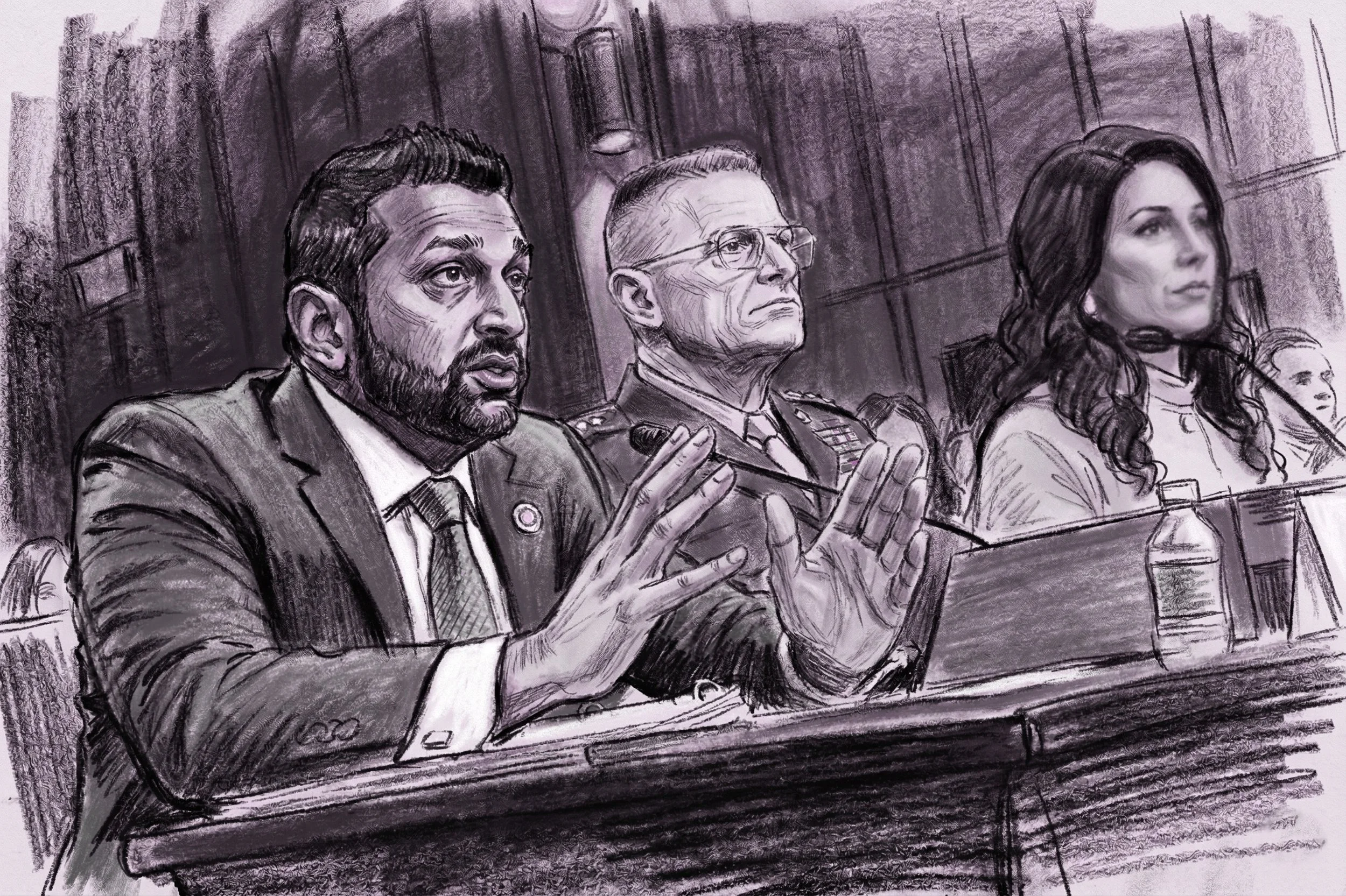
At a Senate Intelligence Committee hearing on March 18, 2026, FBI Director Kash Patel confirmed that the Bureau purchases “commercially available information” to track movement and behavior. Patel defended the practice as “consistent with the Constitution,” despite the fact that this data is accessed without a warrant.
The implications are staggering. The FBI is effectively purchasing data to follow citizens in the physical world, bypassing the Supreme Court's recognition in Carpenter v. United States that long-term location tracking is so invasive it requires judicial authorization. By using a commercial middleman, the government is operating a parallel surveillance system that exists entirely outside the Bill of Rights.
"Data Laundering": The Digital Revival of General Warrants
The Founders wrote the Fourth Amendment specifically to end General Warrants—royal edicts that allowed broad, suspicionless searches. At Priwall, our analysis is blunt: bulk purchases of Americans’ personal data from commercial brokers are the digital equivalent of those general warrants.
The government takes information that would be constitutionally protected if demanded directly, then acquires it indirectly through a commercial sale. This transaction "washes" away the warrant requirement.
Why this is a Constitutional Crisis:
Pattern of Life Intelligence: Data brokers aggregate where you sleep, where you worship, and which medical clinics you visit.
The Carpenter Precedent: The Supreme Court has ruled that digital location records reveal the “privacies of life.”
Warrantless Access: By purchasing this data, the government achieves the same invasive outcome while claiming the Constitution doesn't apply to "commercial transactions."
For a deeper dive into this tension, see our report: Is the Fourth Amendment Dead? Google Searches & Data Brokers.
A Multi-Billion-Dollar End-Run Around Civil Liberties
This isn't a small loophole—it's a massive industry funded by taxpayer dollars. Priwall’s research into government contracting reveals staggering investments in mass harvesting:
The $1.2 Billion Precedent: A recent Department of Labor contract with LexisNexis highlights the scale of these data analytics feeds.
Hidden Budget Lines: Large federal programs now budget nine-figure sums for “identity analytics” and “information services,” often omitting the term “data broker” from public documents to avoid scrutiny.
The Global Market: The U.S. government now functions as a primary customer alongside hedge funds and, most concerningly, foreign buyers.
Related Article:LexisNexis Breach: Protect Your Personal Data from Data Brokers.
National Security Risks: We Are Buying What Our Adversaries Buy
The problem isn't just a domestic civil liberties issue; it’s a national security failure. The same brokers selling location data to the FBI are often the same ones selling to foreign intelligence services.
As detailed in our West Point Warning report, highly sensitive data on active-duty personnel can be purchased for pennies per record. Hostile actors don't need to hack a secure facility when they can simply buy the home addresses of military families on the open market.
The Roadmap: How Congress Can Close the Loophole
Congress knows this loophole exists. To restore the Fourth Amendment, a serious legislative response must include three pillars:
Prohibit Warrantless Purchases: Ban agencies from buying sensitive PII about U.S. persons without a warrant.
Mandate Transparency: Require public disclosure and independent auditing of all commercial data contracts.
Regulate the Ecosystem: Build on state-level successes like California’s Delete Act to create a federal framework for data minimization.
To see how state law is leading the way, read: The End of Loopholes for People-Search Data Brokers.
Taking Action While the Law Catches Up
You cannot wait for Congress to secure your digital borders. Priwall is built on a simple premise: If your data is not for sale, it cannot be bought by your government or a foreign adversary.
By continuously removing your information from hundreds of data broker sites, Priwall reduces the surface area available for warrantless purchase. It’s not a substitute for legislative reform, but it is a practical way for citizens, journalists, and public servants to protect themselves today.